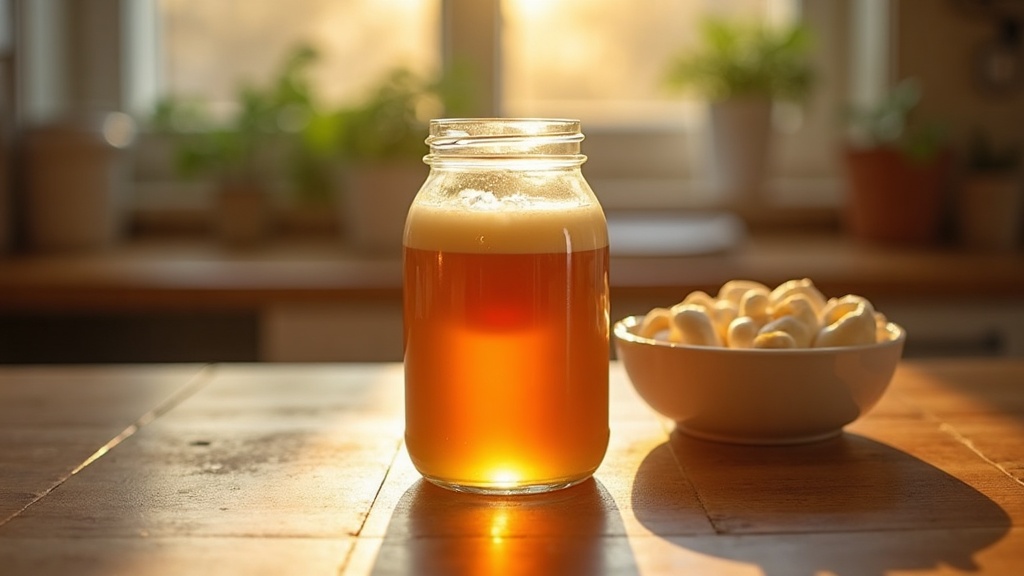
A Look at Old Kitchen Habits

The Old-Fashioned Kitchen Story Behind Biblical drink (oil)/ Honey blend

Before we get into routines and meals, let’s talk about where Biblical drink (oil)/ Honey blend actually comes from — and why grandmothers kept a jar of it on the counter, not in the medicine cabinet.

Everyday Nutrition  ·  Daily Habits  ·  Educational Content  ·  Everyday Nutrition  ·  Daily Habits  ·  Educational Content

The Part Nobody Puts On A Chart

Here’s an observation. Most people who keep an eye on their blood sugar don’t spend the day thinking about numbers. They spend it thinking about afternoons. About that heavy stretch after lunch. About mornings that already feel tired before anything has happened.

The Post-Lunch Rollercoaster

Up, then down, then that foggy slump at the desk. It's a familiar shape to anyone paying attention to how meals feel, not just what's on the plate.

Mornings That Start Heavy

Some days the tiredness shows up before coffee even finishes brewing. It's less about how much sleep happened and more about a rhythm that feels off.

The 'What Do I Even Eat' Loop

Bread, no bread. Fruit, no fruit. The advice keeps changing and the plate keeps getting more complicated than it needs to be.

The Weight Of Deciding Every Single Meal

Three meals a day, every day, each one a small decision that adds up. That mental load is real, even when nobody talks about it out loud.

Myths vs Facts: What Actually Gets Said Around The Table

A lot of kitchen talk about blood sugar is half-remembered advice passed from one relative to another. Here’s a plain look at three of the most common ones.

MYTH

All carbs are the enemy and should be avoided completely.

FACT

Carbohydrates are one part of a plate, not a villain. Type, portion, and what they’re paired with all shape how a meal feels afterward.

MYTH

Fruit is basically candy and should be cut out entirely.

FACT

Whole fruit comes with fiber and water that behave differently than a candy bar. Context — like when and how much — matters more than a blanket ban.

MYTH

There’s a special category called ‘diabetic food’ that’s the only safe option.

FACT

Most ‘diabetic food’ labeling is a marketing category, not a nutritional rulebook. A varied, thoughtfully built plate usually does more than a special package.

Three Simple Habits Around The Plate

This isn’t a diet plan. It’s three small habits people have used for generations to make meals feel steadier — nothing more, nothing that replaces guidance from a doctor.

01

Mind The Order On The Plate

Some people eat vegetables and protein first, then move to starches last. It’s an old habit, worth noticing, not a rule carved in stone.

02

Slow The Pace Of The Meal

Eating slower, chewing more, putting the fork down between bites — small table manners that change how a meal sits afterward.

03

Add A Little Movement After Eating

A short walk after dinner, tidying the kitchen, anything that isn’t sitting still. It’s a habit worth asking a doctor about as part of a broader routine.

Where Biblical drink (oil)/ Honey blend Actually Comes From

Long before it had a name on a label, this kind of oil-and-honey blend showed up in old kitchen traditions along trade routes where olives and beehives were both part of daily life. Honey was stirred into oil to soften bitterness, drizzled over flatbread, or spooned into warm drinks at the end of a meal. It traveled through markets, monasteries, and family recipes long before anyone thought to bottle it. Cooks reached for it the way they reached for vinegar or salt — because it was on the shelf, because it was familiar, because it had always been there.

This is a story about a pantry staple, not a remedy. If you’re curious about it, enjoy the history and the flavor — and keep any real health questions for the doctor who actually knows your situation.

When It's Worth Bringing Up With Your Doctor

Energy That Feels Different Than Usual

If afternoons or mornings start feeling noticeably different than what's normal for you, that's worth mentioning at your next visit or sooner.

Confusion About What A Meal 'Should' Look Like

If you find yourself second-guessing every plate, a conversation with the professional who tracks your care can bring more clarity than another article.

Changes In How Meals Feel Over Time

A shift in how you feel before or after eating, especially if it's new, is best discussed with your doctor rather than guessed at on your own.

Sleep And Meal Timing Feeling Out Of Sync

If eating late or skipping meals has become a pattern, bring it up with your healthcare provider so it can be looked at alongside everything else.

Any Change In Weight You Didn't Plan For

Unplanned changes in weight, in either direction, are always worth a conversation with your doctor rather than a guess from the internet.

Questions About Your Current Treatment

Any question about medication, insulin, or your current plan belongs with your prescribing doctor — never with a habit swap made on your own.

How A Few People Reorganized Their Meals

I stopped treating every meal like a puzzle to solve alone. I built a simple order for my plate and a short walk after dinner, and my evenings feel less chaotic.

Nora Whitfield
Illustrative account
Slowing down at the table sounds small, but it changed how rushed I felt afterward. I still see my doctor regularly and haven't changed anything she prescribed.
Desmond Cole
Illustrative account
Learning where this old honey-and-oil habit actually came from made cooking feel less like a chore and more like something my grandmother would recognize.
Priya Anand
Illustrative account

These are individual accounts shared for illustrative purposes. They describe personal routines, not medical outcomes, and results or experiences vary from person to person.

Curious About The Story Behind Biblical drink (oil)/ Honey blend?

Take a closer look at where this old kitchen habit came from — and remember to keep your doctor in the loop before changing anything about your meals, routine, or treatment.

Advertising Disclosure: This page contains sponsored content and affiliate links. We may receive compensation if you click a link or make a purchase through links on this page. This does not affect the price you pay.

Content Disclaimer: This content is for educational and informational purposes only. It has not been evaluated by the FDA. Nothing on this page is intended to diagnose, treat, cure, or prevent any disease. This information does not substitute for professional medical advice, diagnosis, or treatment. Always consult a qualified healthcare professional before changing your diet, routine, or any prescribed treatment.

Results Disclaimer: Individual results vary. Testimonials and examples shared on this page reflect personal experiences and are not a guarantee of any particular outcome.

© 2026 · All Rights Reserved